

ICRA's field interventions with small rainfed farmers are guided by the principle that economics and ecology are closely interconnected. Our approach focuses on enhancing overall farm productivity while conserving local seed diversity, which is vital for ecological practices. In collaboration with farmers, we adopt a holistic strategy for soil and water conservation, placing special emphasis on percolation pits, along with innovative nutrient management strategies.
In summary, our initiatives include:
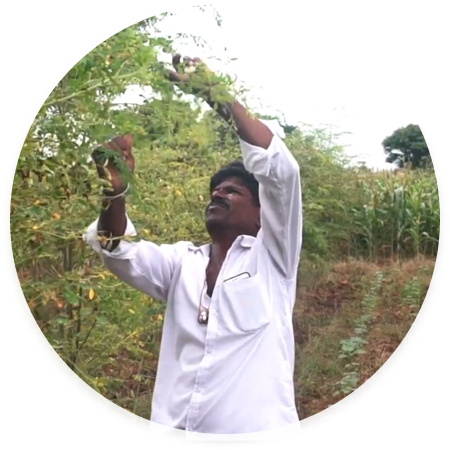
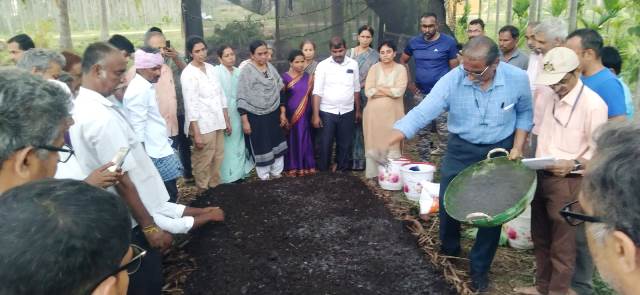
An integral feature of organic farming is its emphasis on biodiversity, which is pivotal in ensuring the farming system's stability, sustainability, and resilience.
Organic agriculture is distinguished by its deliberate focus on biodiversity, nurturing a diverse and interconnected array of life forms that collectively contribute to the agricultural ecosystem's stability, endurance, and adaptability.
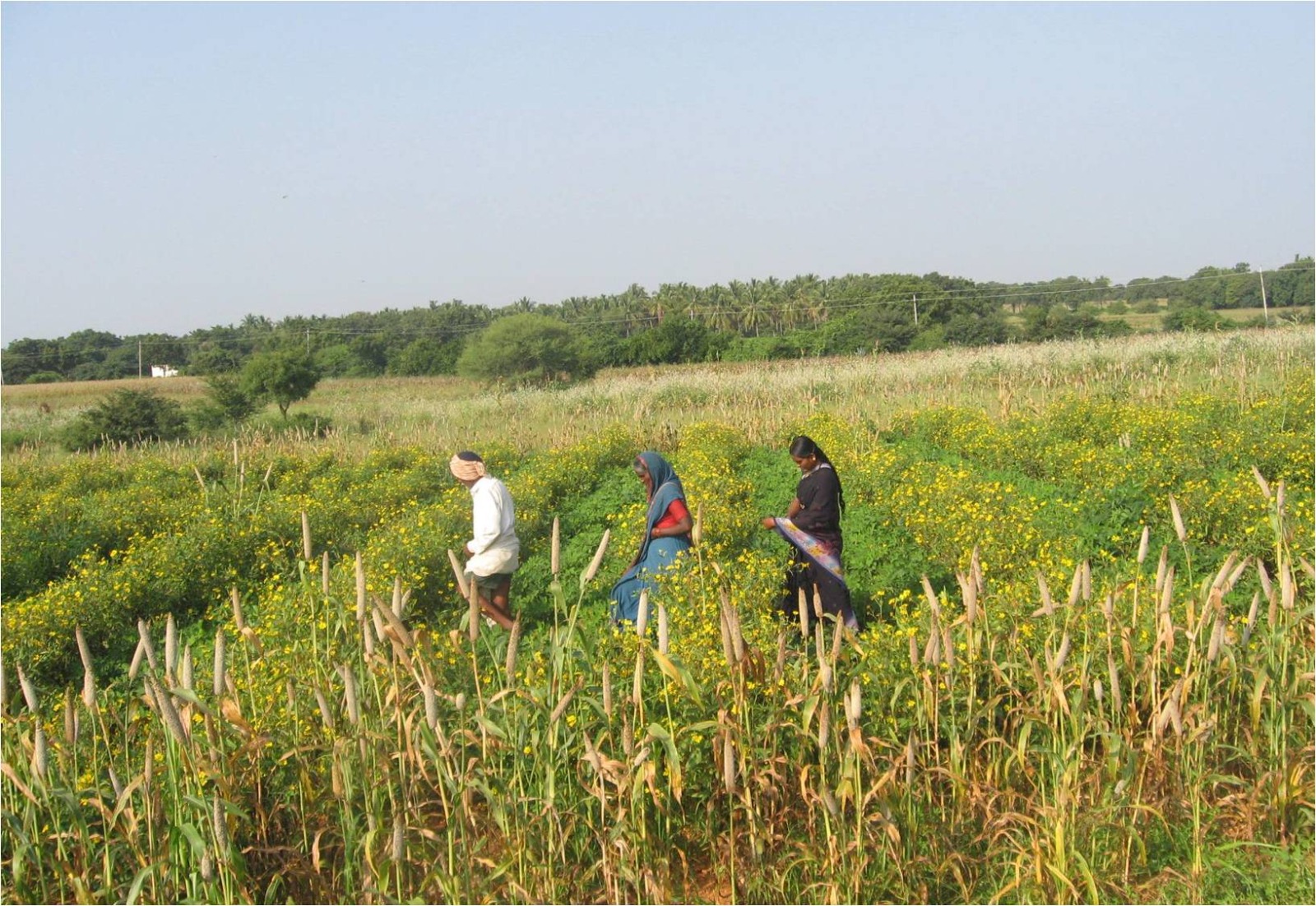
Mixed cropping is pivotal in Indian agriculture, sustaining the industry and its population for centuries. This traditional practice has been a foundational element of Indian farming, providing essential sustenance for the agricultural sector and the communities it supports.
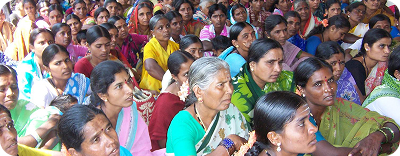
The Prayog Parivar is a collaborative group of farmers focused on experimental agricultural practices. Its innovative members, keen on organic farming, convene regularly to collectively address and discuss technical issues related to their farming methods. The development of alternative agricultural practices could be primarily attributed to the contributions of pioneering farmers and a select few organisations.

Biodiverse agricultural practices are deeply embedded in seed diversity and its availability/ cultivation. Local seeds, exhibiting diverse characteristics, effectively address many agricultural challenges. The intrinsic connection between seeds, farmer autonomy, and the farm system is undeniable. The meticulous selection, preservation, and enhancement processes of locally adapted seeds play a pivotal role in fostering climate-resilient farming practices.
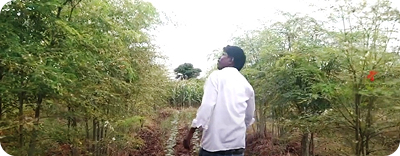
The historical farming system was based on an agro-civil-pastoral model, integrating crop cultivation, livestock management, and agroforestry to create a synergistic approach. As part of this paradigm, the Horti-Pastoral System aims to diversify income sources, mitigate risks, and ensure efficient nutrient cycling and waste management. Due to a significant decline in this system, there is an urgent need for its rejuvenation. A renewed emphasis on agroforestry has the potential to contribute significantly to this revival.
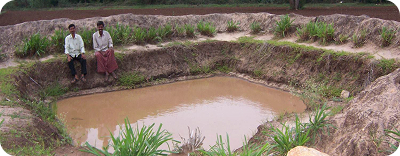
Considerable attention and effort have been dedicated to water and soil conservation initiatives. Our primary focus is on in-situ waterg conservation and implementin organic nutrient practices, contributing to soil fertility and water absorption. The soil's ability to retain and release water significantly mitigates climate-related challenges, ensuring economic stability for rainfed farmers. If implemented carefully, both elements support each other and ensure the farming system's sustainability.
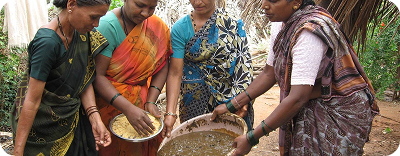
The enduring practice of mixed cropping, seed preservation, and agricultural biodiversity within farming systems is predominantly attributable to the knowledge and contributions of women farmers. Despite their substantial influence, women have frequently been marginalised in commercial agriculture. It is crucial to recognise and affirm the essential role that women occupy in the realm of sustainable agriculture. Furthermore, it is imperative to position them as equal partners within this sector.

The widespread use of pesticides in agriculture has resulted in significant pesticide residues in food, adversely affecting human health and the environment.
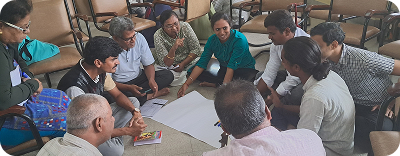
Learning is a continuous process that needs to be specific to the context and based on farmers' real-life experiences. The field of biodiverse agriculture is dynamic and is shaped by the experiences of numerous practicing farmers. It encompasses a range of challenges, including environmental degradation, the erosion of traditional seeds, the loss of common land, and various agricultural production issues. Addressing these challenges requires coordinated efforts by the farmers themselves. Furthermore, it is essential to adopt an approach that emphasises actionable reflection to ensure continuous learning and improvement of knowledge.
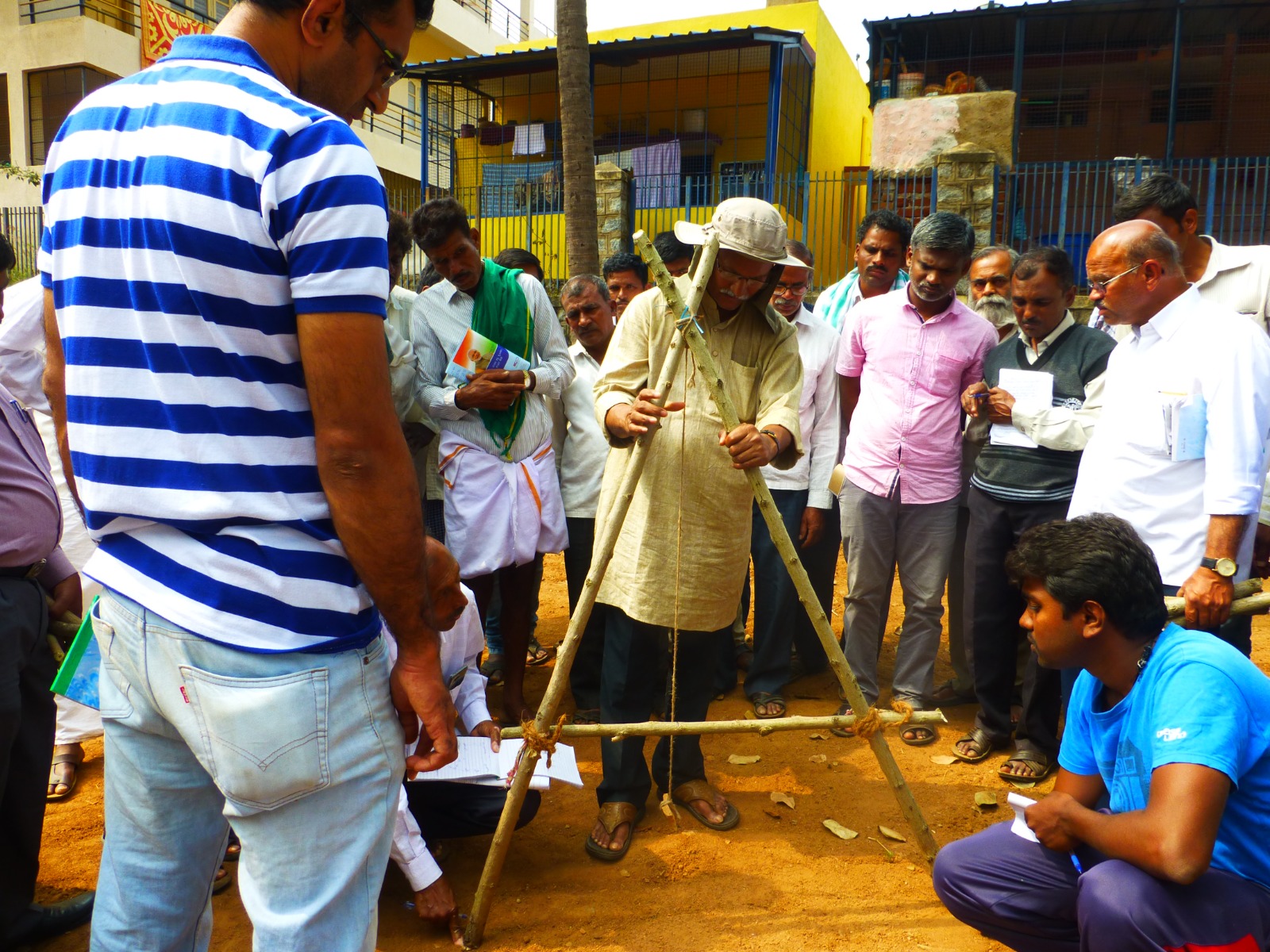
This research is characterized by a participatory, interactive, reflective, and problem-focused approach that culminates in actionable outcomes.
The findings will inform training and workshops, improving insights and comprehension.
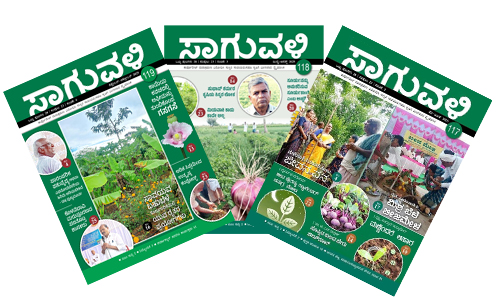
Sharing the stories of bio-diverse organic farmers is crucial because they illuminate the sustainable use of our natural resources. In a world of social media, a magazine offers a valuable platform for deep learning and reflective contemplation, motivating us to take significant action.
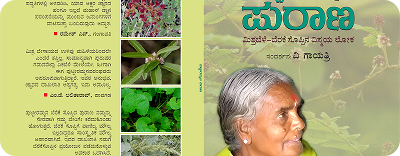
ICRA publications are borne out of our engagement with farmers, serving as a platform to disseminate their first-hand experiences. This unique genre necessitates further refinement and fortification, functioning both as an intellectual biography and a practical farming manual, with the intent of motivating others to take proactive steps. Curating an exhaustive repository of resources elucidating biodiverse organic farming through the lens of farmers' experiences holds the potential to significantly augment our endeavours in fostering sustainable communities.